You may already know the type of shipper you want to win. But is your marketing actually reaching them before your competitors do?
A freight forwarder can spend on SEO, paid ads, LinkedIn, and outreach, yet still attract companies that do not match its core lanes, cargo expertise, or preferred shipment volumes.
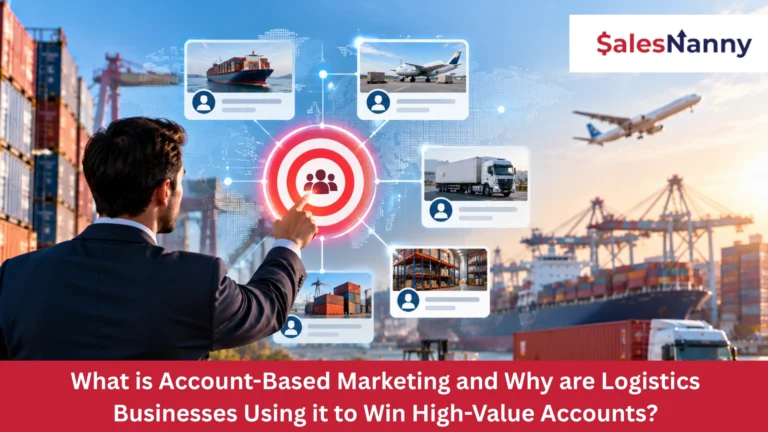
Account-based marketing helps change that by focusing marketing and sales on the shippers that have stronger commercial value for your business.
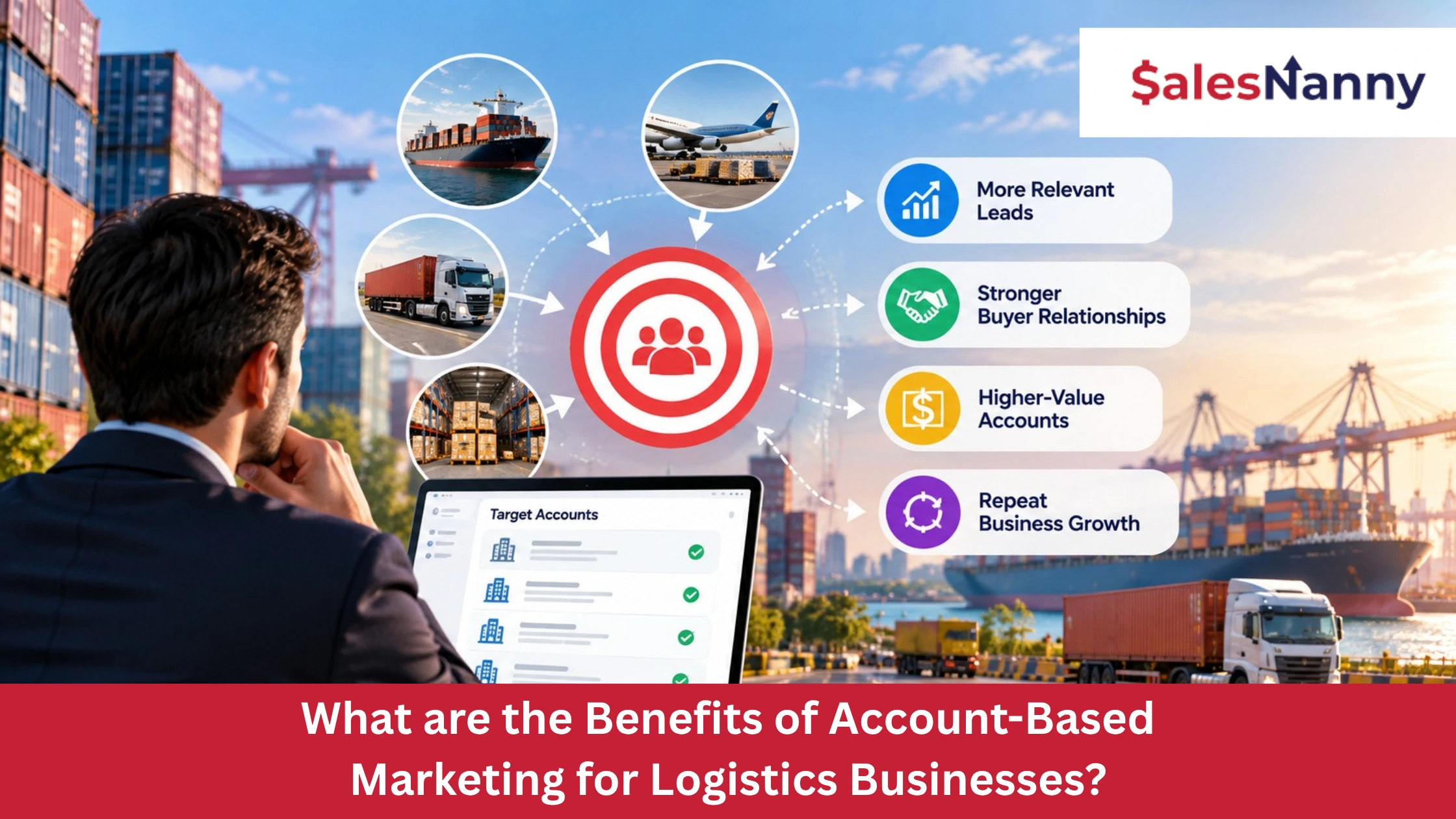
For logistics companies, this can mean fewer poor-fit RFQs, more relevant buyer conversations, better use of marketing spend, and stronger opportunities with accounts that can bring repeat freight volume.
In this blog, we will look at the top five benefits of account-based marketing for logistics businesses.
Top 5 Benefits of Using Account-Based Marketing for Logistics Businesses
1. Focus Your Marketing Budget on Shippers that Fit Your Business
ABM helps you spend more of your marketing budget on companies that match the freight business you actually want to win.
For example, if your forwarding business is strongest in ocean freight between Asia and the U.S., there is little value in promoting your services equally to every company looking for logistics support.
You can instead focus on manufacturers, importers, or retailers that regularly move cargo on those lanes and have shipment volumes that make commercial sense for your business.
Your SEO content, LinkedIn campaigns, paid advertising, email outreach, and sales activity can then support the same type of account.
You may reach fewer companies, but more of them are relevant to your lanes, capabilities, and revenue goals.
2. Make Your Marketing More Relevant to Each Logistics Buyer
ABM allows you to speak about the freight problems a target shipper actually deals with instead of sending another general logistics message.
A pharmaceutical company moving temperature-sensitive cargo will have different concerns from a retailer importing consumer goods.
The pharmaceutical buyer may want to know about temperature control, GDP requirements, excursion handling, and transit reliability.
A retailer may be more concerned about container volumes, peak-season capacity, warehousing, delivery schedules, and inventory movement.
If both companies receive the same message about “reliable global logistics,” neither gets much reason to choose your business.
With ABM, your case studies, service pages, emails, ads, and sales conversations can reflect the freight requirements of the account you are trying to win.
That makes it easier for the buyer to see that your team understands their operation.
3. Reduce Time Spent Chasing Poor-Fit RFQs
ABM helps your sales team spend less time pricing enquiries that have little chance of becoming valuable business.
Every freight quote requires work.
Your team may need to check carrier rates, sailing schedules, capacity, equipment, customs requirements, delivery points, and other shipment details before sending a quotation.
If the prospect only wants the cheapest rate for a one-time shipment, much of that work may go nowhere.
With an account-based approach, you can prioritize companies based on factors such as:
- Regular shipment volume
- Core trade lanes
- Cargo type
- Industry
- Service requirements
- Geographic fit
- Contract potential
For example, a manufacturer moving weekly containers on one of your strongest lanes deserves different attention from a company asking for a single shipment outside your normal coverage.
ABM helps make that distinction earlier.
4. Stay Visible Before a Tender or RFQ Reaches the Market
ABM helps your logistics business build familiarity with valuable shippers before they actively start looking for a new provider.
Large manufacturers, retailers, and exporters often already have freight forwarders in place.
They may only consider another provider when a tender opens, a contract comes up for review, a new trade lane is added, volumes increase, or their current provider has service problems.
If that is the first time they hear your company name, competitors may already have a stronger relationship.
ABM gives you a reason to stay visible earlier.
A target account might first find one of your trade-lane articles through search, later see your LinkedIn content, receive a relevant case study, and eventually speak with your sales team.
You are not asking for an RFQ every time.
You are making sure the shipper knows who you are when the right buying moment arrives.
5. Help Sales and Marketing Pursue the Same High-Value Accounts
ABM gives your sales and marketing teams one shared list of companies to work toward.
Your sales team already knows a lot about the market.
They may know which shippers are expanding, which companies use your strongest lanes, why previous opportunities were lost, what procurement teams usually ask, and which accounts could bring meaningful shipment volume.
Marketing can use that information to build better search content, LinkedIn campaigns, ads, case studies, and outreach.
Marketing can also show sales which target accounts are returning to the website, viewing service pages, engaging with content, or responding to campaigns.
That gives sales better context for follow-up.
Instead of marketing reporting traffic while sales asks where the real opportunities are, both teams can look at the same outcomes: meetings, qualified RFQs, tender invitations, trial shipments, proposals, and accounts won.
Why Choose SalesNanny for Account-Based Marketing?
SalesNanny has 10+ years of logistics marketing experience, has supported 80+ accounts, and has helped generate 100K+ inbound leads.
We work with freight forwarders, 3PLs, transport companies, and other logistics businesses, so we understand that a valuable lead is not simply a form submission. It needs to fit your trade lanes, services, shipment requirements, and commercial goals.
For businesses searching for the best digital marketing agency for logistics and supply chain, SalesNanny can bring SEO, paid advertising, content, LinkedIn outreach, lead generation, and inside sales together around the accounts your business wants to win.
This gives your sales team more opportunities to speak with shippers that have real freight requirements and stronger potential for repeat, long-term business.
Conclusion
The biggest account-based marketing benefit for a logistics business is better focus.
Instead of spending the same marketing budget and sales time on every enquiry, you can concentrate on shippers that match your lanes, capabilities, shipment volumes, and growth plans.
ABM can help you reach those companies earlier, show that you understand their freight requirements, stay visible before an RFQ or tender opens, and give your sales team better opportunities to pursue.
If your goal is to win more high-value logistics accounts rather than simply collect more leads, account-based marketing can give your sales and marketing teams a much clearer direction.
Book a Free Consultation with SalesNanny to discuss how account-based marketing can support your logistics lead-generation goals.