



Growth Depends on Existing Connections
Most new opportunities come only through referrals, trade events, and personal industry networks.

A shipper lands on your website. In the next ten seconds, they decide whether to keep reading or click back to Google. Shipment tracking, freight calculators, quote-request forms, and a fast, mobile-friendly website are what keep them reading and move them from a search result to a booked shipment.
Book a Free Website Consultation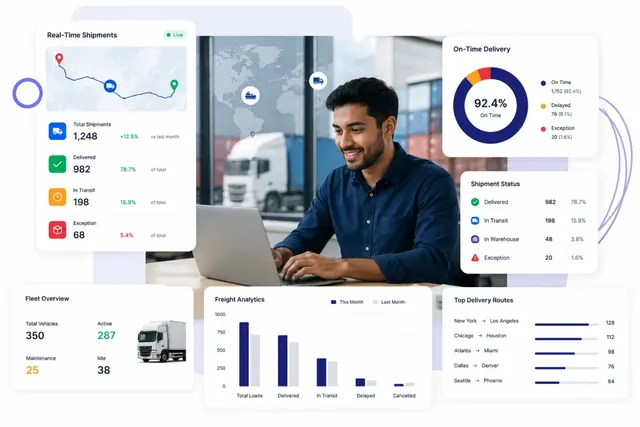
We build logistics websites around how buyers actually search, compare services, request quotes, track shipments, and move toward booking.
We organize your website around services, industries, locations, and trade lanes, so every piece of information is easy to find.
Clear, dedicated pages for freight forwarding, customs clearance, warehousing, transportation, 3PL, project cargo, and every other service you offer.
Inquiry forms, quote-request flows, booking functions, and calculators that make it easy for buyers to take the next step.
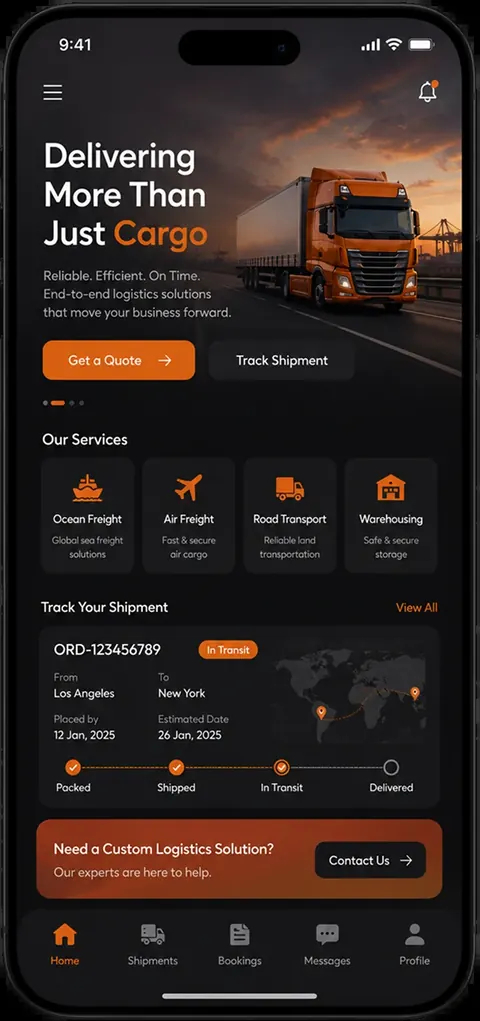
Tracking tools and client portals that give customers shipment updates without tying up your support team.
A responsive, mobile-friendly website that lets buyers check services, request quotes, and track shipments from any device.
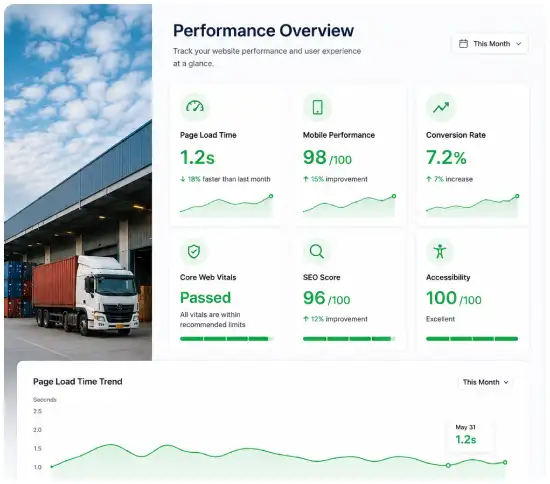
Ongoing website audits covering speed, security, backups, and technical stability, so your platform stays reliable as it grows.
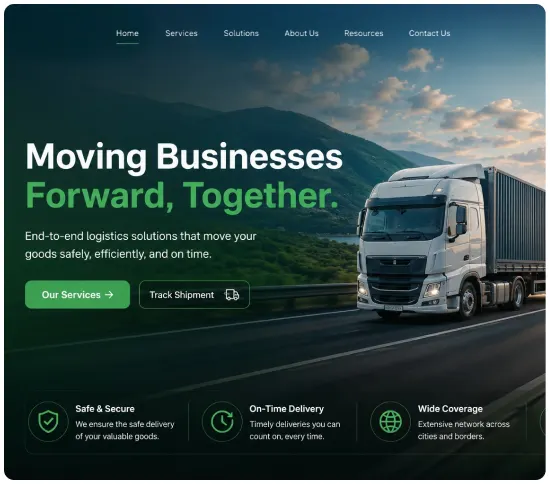
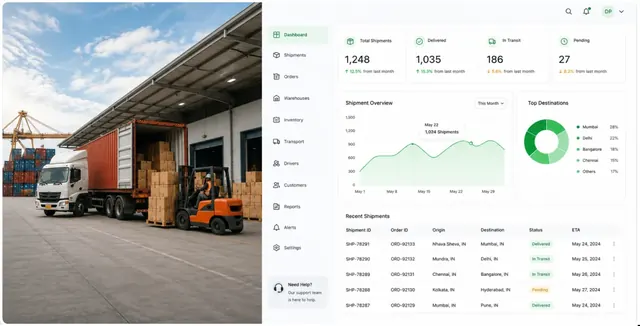
Logistics buyers compare several providers before making contact. Your website has one job in that moment: help them understand your capabilities quickly enough that they feel confident reaching out.
Clear information on cargo handling, service coverage, compliance, and process removes the guesswork buyers would otherwise have to ask about.
When key details are easy to find, buyers spend less time on basic questions and move faster toward a serious conversation.
A professional website gives overseas shippers and partners a reliable place to verify your company before engaging.
Your website works beyond business hours, discovering buyers, answering questions, and capturing inquiries long after your team has gone home.
While your team is offline, your website continues presenting your services, answering buyer questions, and capturing new inquiries.
A professional website helps shippers, importers, exporters, and overseas partners discover your business and evaluate your services from anywhere in the world.
Every website visit becomes an opportunity to generate inquiries, quote requests, and new business without relying only on referrals or outbound sales.
Without an updated website, your logistics business can end up depending heavily on referrals, trade events, and word of mouth. With one, buyers can discover your services, understand your capabilities, and contact your team from anywhere.
Most new opportunities come only through referrals, trade events, and personal industry networks.
Potential customers hear about your company but find little information about your services, locations, or cargo experience.
Buyers outside your current network may never learn your business can support their requirements.
Shippers, importers, exporters, and overseas partners find your business while researching logistics providers online.
Buyers review your services, industries, locations, and experience before ever speaking with your team.
A professional website connects you with buyers across new regions and global markets, not only the ones you already know.

Why does my logistics business need an updated website?
An updated website helps buyers understand your services, check your capabilities, and contact your team without depending only on referrals, trade events, or personal introductions.
What should a logistics website include?
A strong logistics website should include clear service pages, locations, cargo capabilities, industries served, quote request forms, shipment tracking, contact details, and trust-building information.
Can a website help us reach international buyers?
Yes. A professional website gives overseas shippers, importers, exporters, and partners a place to discover your business and review your services before making contact.
How can a logistics website support sales?
It helps buyers find the right information before speaking with your team, which makes sales conversations more focused and creates more opportunities for quote requests and inquiries.
How often should a logistics website be updated?
Your website should be updated whenever you add new services, locations, trade lanes, tools, certifications, case studies, or important business information.
Fill out the form below and our team will get back to you within 24 hours.