A marketing agency can increase website traffic, publish blogs every month, and keep your LinkedIn page active. But if your sales team is still not getting the right RFQs, warehouse enquiries, transport requirements, or meetings with serious buyers, something is missing.
For a freight forwarder, 3PL, transport company, or warehouse operator, marketing has to do more than create activity. It should help the business reach shippers that fit its services, trade lanes, locations, and sales goals.
That is why choosing a supply chain marketing agency should not start with, “What services do you offer?”
It should start with, “Do you understand our business, our buyers, and the kind of opportunities we want?”
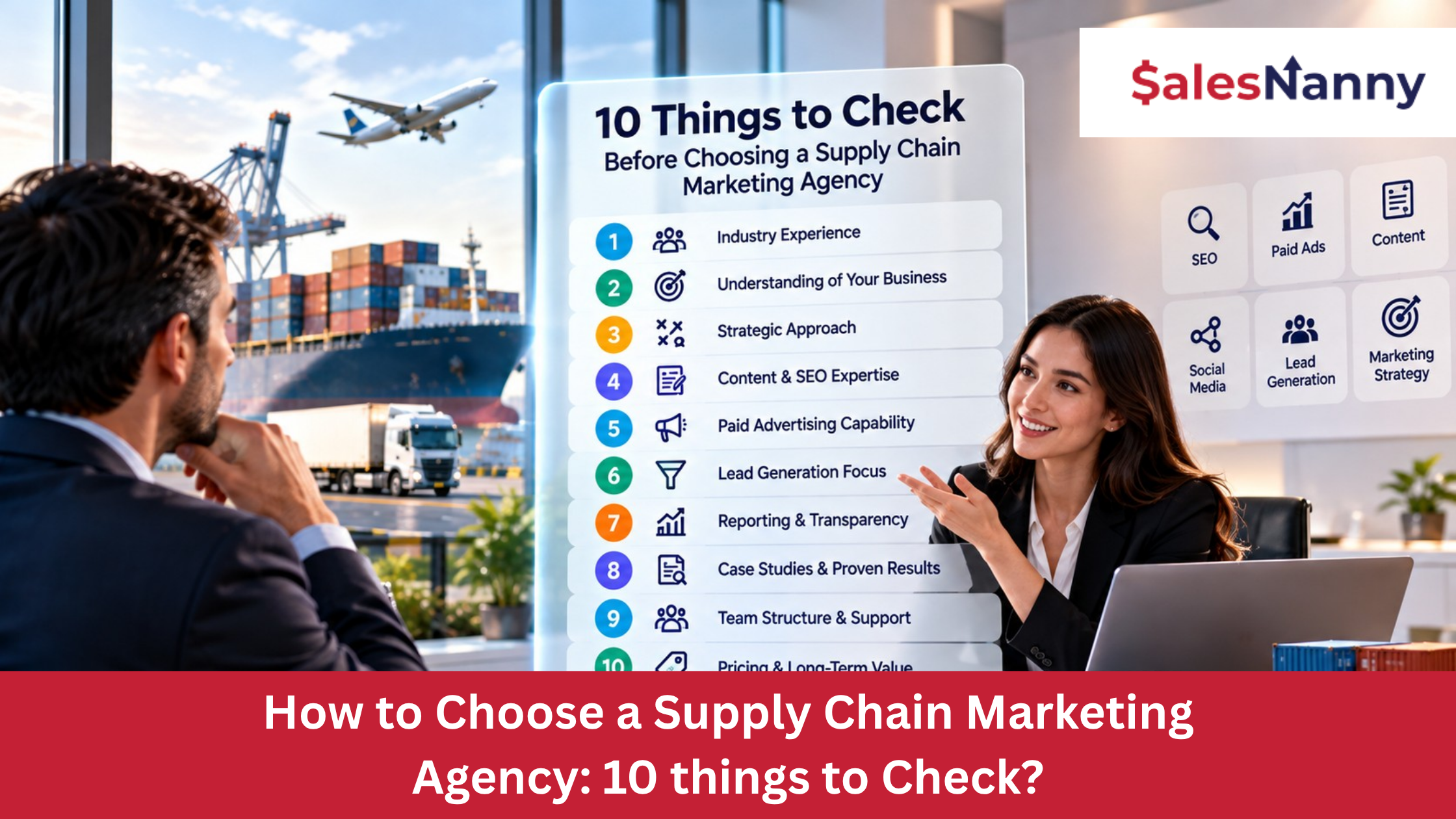
Use this 10-point checklist before choosing your next marketing partner.
1. Do they Already Understand Logistics and Supply Chain?
Start with industry knowledge.
Your agency should know the difference between a freight forwarder, 3PL, carrier, customs broker, warehouse operator, and specialist transport provider without your team having to explain the basics every week.
They should also understand common buyer concerns such as freight rates, transit time, capacity, customs, shipment visibility, warehousing, delivery performance, and service reliability.
If you spend the first few months teaching the agency how your business works, you are already losing time.
2. Do they Ask What You Actually Want to Grow?
Once industry knowledge is clear, the next question should be about your business goal.
Do you want more ocean freight RFQs on a particular trade lane? More contract warehousing enquiries? More manufacturers looking for transportation support? Or larger accounts with regular shipment volume?
A good agency should understand that before recommending SEO, paid ads, LinkedIn, or content.
The channel comes after the goal, not before it.
3. Can they Show Work From Similar Logistics Businesses?
Now ask for proof.
Do not stop at website traffic, impressions, or keyword rankings. Ask what the work produced for the client.
Did it generate relevant enquiries? Did the client receive more RFQs? Did a service page begin bringing sales conversations? Did paid campaigns reach the right type of shipper?
If you run a freight forwarding company, examples from another freight or logistics business will usually tell you much more than a case study from an unrelated industry.
4. Do they Understand Who Your Real Buyers are?
Even good marketing will struggle if it reaches the wrong people.
A freight forwarder may need exporters, importers, manufacturers, logistics managers, or supply chain heads. A warehouse provider may be looking for retailers, distributors, or e-commerce businesses.
The agency should ask about your ideal customer, preferred industries, locations, shipment volumes, service requirements, and buying roles.
“More website traffic” is not a clear audience strategy.
The real question is whether the right logistics buyers are reaching your business.
5. Can they Choose the Right Marketing Channels for Your Goal?
Once the audience is clear, the agency should be able to explain where those buyers can realistically be reached.
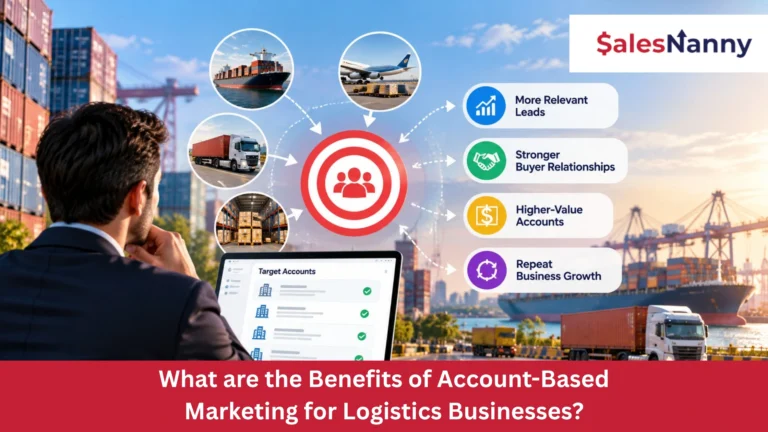
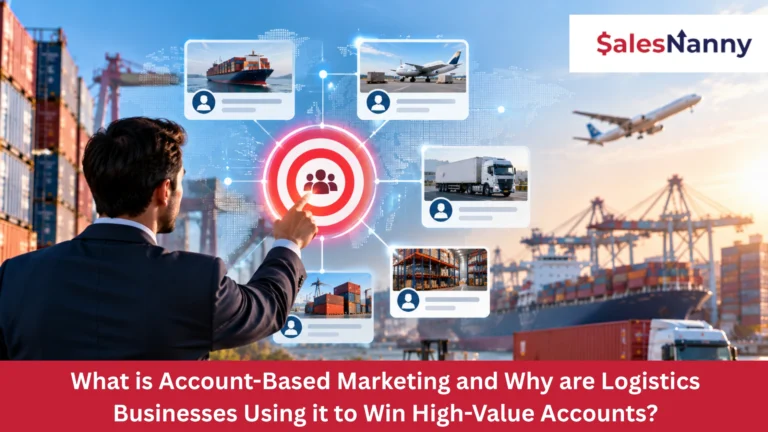
If someone is actively searching for a freight service, Google Search may make sense. SEO can help build steady traffic around your services and trade lanes. LinkedIn can help you reach specific B2B decision-makers. Account-based marketing may suit a company trying to win a smaller number of larger accounts.
You may need several channels, but you do not automatically need everything at once.
A good agency should know what to prioritize first.
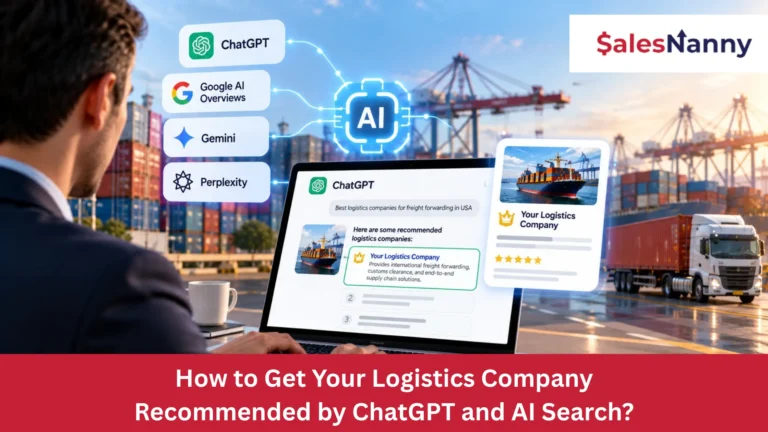
6. Do they Understand Both Google Search and AI Search?
Ai Search behavior is changing, so your agency should understand both traditional SEO and newer search experiences.
A shipper may still search Google for a freight forwarder, but they may also ask ChatGPT, Gemini, or another search platform to recommend providers for a specific lane, industry, or cargo requirement.
That means your website needs clear service pages, industry content, useful answers to buyer questions, and accurate information about what your company actually handles.
Be careful with agencies promising that one trick, tool, or schema will make your company appear everywhere. Search still starts with a useful website and clear information.
7. Can they Write Content that Sounds Like Logistics?
By this point, the agency should understand your business, buyers, and channels. Now check the content itself.
Read a few examples.
Does the writing sound like someone who understands freight, or could the company name be changed and the same article used for any industry?
A logistics buyer wants useful answers about lanes, cargo, customs, capacity, transit times, warehousing, compliance, rates, or operational problems.
Your team should not have to rewrite every article because the terminology, examples, or buyer concerns are wrong.
8. Do they Know the Difference Between a Lead and a Good Lead?
Getting an enquiry is only useful if there is a realistic sales opportunity behind it.
A form submission for a shipment outside your service area is not the same as an exporter moving regular volume on one of your strongest lanes.
Before campaigns begin, ask how the agency defines a qualified lead.
They should understand what makes an enquiry valuable to your business, whether that is cargo type, geography, service requirement, company size, shipment frequency, or contract potential.
This also gives your sales team a better chance of spending time on the right opportunities.
9. Will their Reports Tell You What is Producing Business?
Once campaigns are running, reporting should answer more than “How many clicks did we get?”
Traffic, rankings, impressions, and engagement are useful, but they need context.
You should also be able to see which services generate enquiries, where good leads come from, which campaigns produce meetings or RFQs, and which areas need work.
If your report looks impressive but your sales team cannot connect it to any real opportunities, you need better reporting.
10. Is it Clear What Happens After You Sign?
The final check comes before the contract.
Ask who will work on your account, what happens during the first few months, how often you will meet, what will be delivered, and how changes will be handled.
Also confirm who owns your website, ad accounts, analytics, content, and campaign data.
You should know exactly what you are paying for and who is responsible for the work before the first invoice arrives.
A good working relationship usually starts with clear expectations on both sides.
Why Consider SalesNanny for Your Supply Chain Marketing?
If you run a logistics business, you should not have to spend months explaining what an RFQ is, why one trade lane matters more than another, or why ten poor-fit enquiries are less useful than two serious shipper requirements.
SalesNanny has spent 10+ years working in logistics marketing, has supported 80+ accounts, and has helped generate more than 100K inbound leads.
That experience shapes how we approach the work. We look at the services you want to grow, the buyers you want to reach, and what should happen when those buyers land on your website or contact your team.
So, if you are comparing the best digital marketing agency options for logistics and supply chain, look beyond the number of services on the proposal. Choose a team that already understands the market you sell into and can connect marketing work with the sales conversations your business needs.
Conclusion
Choosing a supply chain marketing agency is not about finding the company with the longest proposal or the most marketing services.
You need a partner that understands your logistics business, knows who your buyers are, can choose the right channels, creates content your audience trusts, and measures the enquiries that matter to sales.
Before you sign, use the 10 questions above as your checklist.
If the agency can answer them clearly and back those answers with relevant work, you are much closer to choosing a partner that can support real business growth.
Book a Free Consultation with SalesNanny to discuss your logistics and supply chain marketing goals.