Getting consistent business in the logistics industry has never been simple. For a long time, many companies have relied on referrals and existing relationships. These still matter, but they don’t always bring steady or predictable results. Some months are good, others are slow, and that makes growth hard to plan.
At the same time, buyers have changed how they look for logistics partners. Importers and exporters are no longer depending only on recommendations. They go online, explore options, compare companies, and try to understand who actually fits their needs.
If your business is not clearly visible or easy to understand during this process, there is a high chance you are being skipped often without even knowing it.
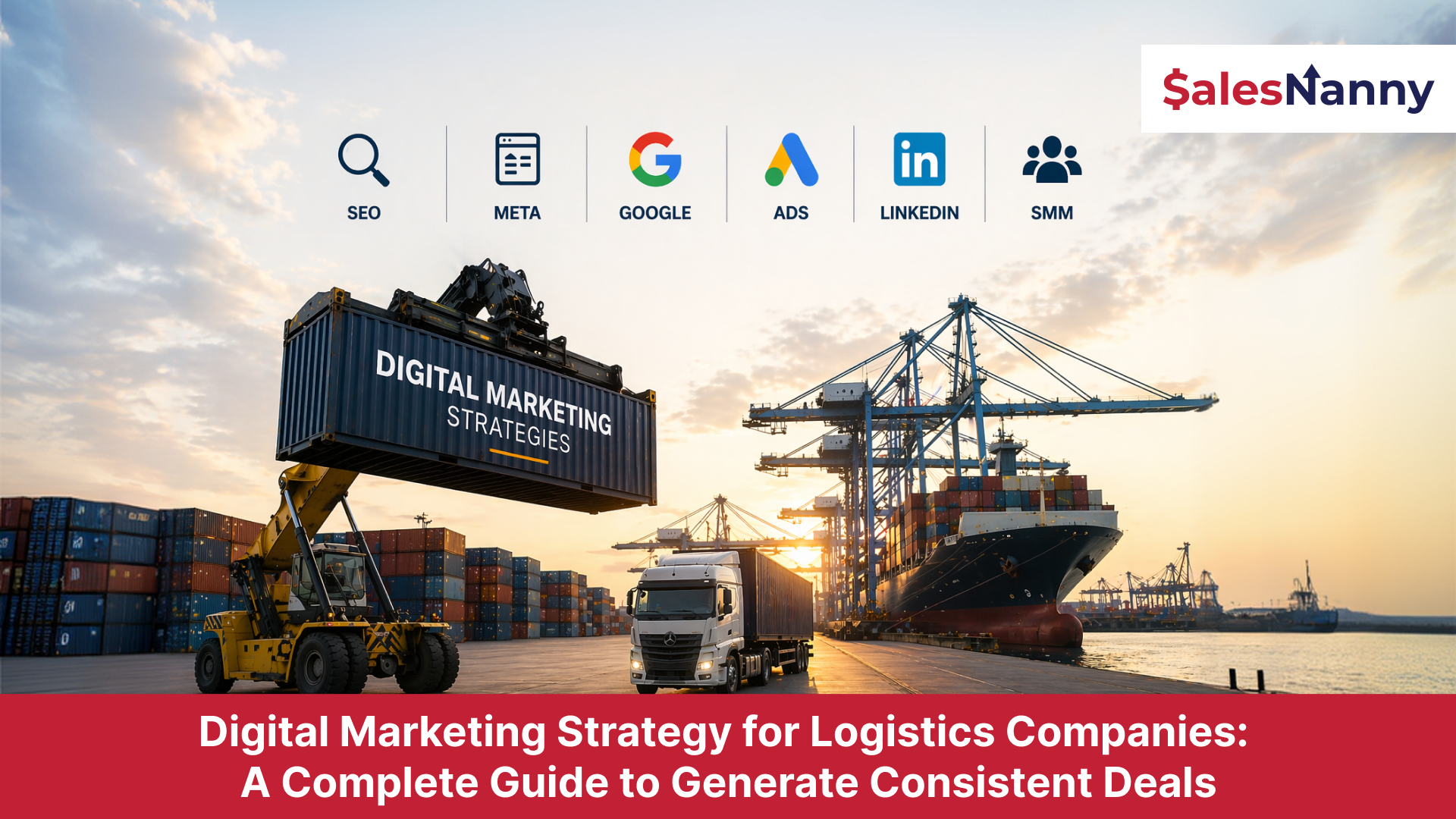
This is where a digital marketing strategy for logistics companies becomes important. It is not about doing more marketing. It is about making sure the right people can find you, understand you, and trust you at the right time.
How Logistics Buyers Choose a Service Provider Today?
Today’s logistics buyers take their time before reaching out. They don’t usually contact the first company they see. Instead, they look around, compare a few options, and form an opinion quietly.
Most of this happens before any conversation begins. They visit websites, check how services are explained, and try to see if the company actually understands their industry. Small things like clarity, tone, and structure start influencing their decision early.
They are not just looking for someone to move goods. They are looking for a partner who can handle operations smoothly, without unnecessary risk or confusion.
Because of this, your online presence is no longer just a marketing layer. It becomes part of your sales process.
Why do Logistics Companies Need a Clear Digital Marketing Strategy?
Relying only on referrals or outreach can feel safe, but it often limits how far you can grow. These methods depend on timing and network, which means results can be inconsistent.
A clear digital marketing strategy for logistics companies helps bring some stability into this process. Instead of waiting for opportunities, you start building a system that brings them to you.
It helps your business get noticed by companies that are already searching for logistics services. It also improves how your services are presented, so potential clients can quickly understand what you offer.
Over time, this reduces uncertainty and creates a more predictable flow of enquiries.
1. Showing Up When Buyers are Actively Searching
When someone searches for logistics support, they usually have a clear requirement. They are not just browsing; they are already looking for a solution.
They might be searching for freight forwarding, warehousing, or an import/export partner. At this point, timing matters more than anything.
If your business appears during this moment, you already have an advantage. But just appearing is not enough. What they see should make sense quickly.
If your services are unclear or difficult to understand, they will simply move to the next option. Buyers don’t spend much time trying to figure things out.
Being visible is important, but being clear is what actually converts that visibility into enquiries.
2. Building Trust Through Practical, Real-World Content
In logistics, trust is everything. And trust doesn’t come from saying “we are experts.” It comes from showing that you understand the work.
One simple way to do that is through the content you share. Instead of generic marketing topics, it helps to talk about real situations your clients deal with, something we’ve discussed in digital marketing for logistics businesses.
For example, explaining how to handle shipping delays, how to manage coordination issues in supply chains, or how to reduce inefficiencies in operations. These are everyday challenges for your audience.
When your content reflects real experience, it feels more genuine. People can see that you are not just promoting services; you actually understand the industry.
This kind of content also keeps visitors engaged for longer, which naturally improves how they perceive your business.
3. Staying Visible Without Being Pushy
In B2B, especially in logistics, decisions take time. People don’t usually make quick choices. They observe, compare, and wait until they feel confident.
During this time, staying visible matters. Not in an aggressive way, but consistently and simply.
When your business shows up regularly with insights or updates, it becomes familiar. And familiarity builds comfort.
You don’t need high volume or complex strategies here. Even small, consistent efforts can make a difference.
Over time, when a requirement comes up, your business is already in their mind.
4. Creating a Website that Actually Helps Visitors Decide
Your website plays a bigger role than most businesses realize. For many buyers, it is the first real interaction with your company.
A good website doesn’t try to do too much. It focuses on making things clear.
Visitors should quickly understand what services you offer, what makes you different, and how they can contact you. If they have to search for this information, they may lose interest.
Simple structure, clear messaging, and easy navigation go a long way.
When your website is easy to understand, it builds confidence. And that confidence often decides whether someone reaches out or leaves.
5. Using Targeted Campaigns to Support Growth
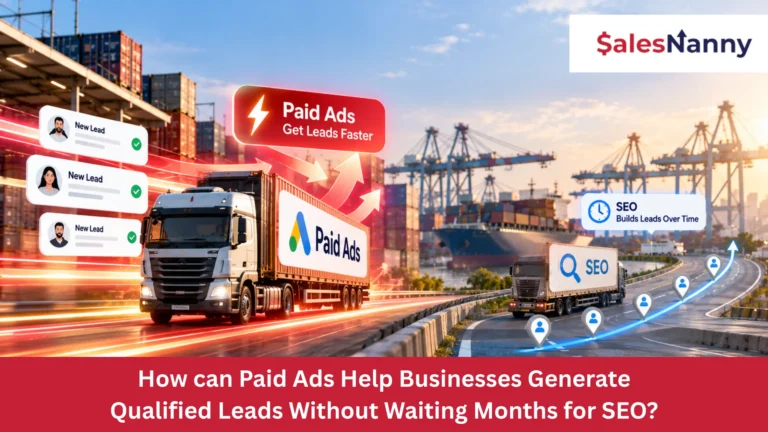
If your goal is to grow faster, targeted campaigns can support your efforts. They help you reach a specific audience instead of trying to reach everyone.
For example, you can focus on certain regions, industries, or services. This makes your communication more relevant and effective.
Campaigns can bring in visibility quickly, but they work best when your foundation is already strong.
If your website or messaging is unclear, even good traffic may not turn into enquiries.
When everything is aligned, campaigns can help you scale your results in a more controlled way.
Common Mistakes that Affect Results
Sometimes, the issue is not the effort but how the effort is structured.
Many logistics companies struggle because their messaging feels too generic, or they are not consistent in communication. In some cases, they try to target too broadly, which makes their positioning unclear.
Even simple things like delayed follow-ups can result in lost opportunities.
These are not major problems, but they add up over time. Fixing them often improves results without needing extra investment.
How to Build a More Predictable Flow of Enquiries?
A steady flow of business doesn’t come from one activity alone. It comes from a combination of small things working together.
Keeping your service information clear, sharing useful insights regularly, staying visible in the right places, and making it easy for clients to reach you all play a role.
When these elements are aligned, your business becomes easier to find and easier to trust.
Over time, this creates consistency. And consistency is what turns occasional deals into a more reliable pipeline.
Conclusion
The logistics industry is becoming more competitive, and buyer expectations are changing alongside. Businesses that adjust to this shift are more likely to see steady growth.
Clarity, visibility, and consistency may sound simple, but they are what influence real decisions. A well-planned digital marketing strategy for logistics companies helps bring all of this together. It creates a more stable way to generate enquiries and reduces dependence on unpredictable sources of business.