Let’s talk practically, not like marketers, but like logistics business owners.
Most logistics companies are adept at operations. They can manage transport, warehouses, distribution, freight, documentation, and timelines. But still, many companies say the same thing: new clients are not coming regularly. Business mostly comes from referrals, old clients, or market contacts.
Now the market has changed. Today, before a company contacts a logistics provider, they search online, check websites, compare companies, and then shortlist providers. Many logistics deals now start online, not with a phone call.
So digital marketing for logistics businesses is not just marketing anymore. It is becoming part of how logistics companies get new business opportunities. If your company is not visible online, many potential clients may never even know your company exists.
How are logistics companies getting client deals now?
Main sources from where logistics companies are getting business today:
- Referrals and existing clients
- Google search (SEO)
- Company website enquiries
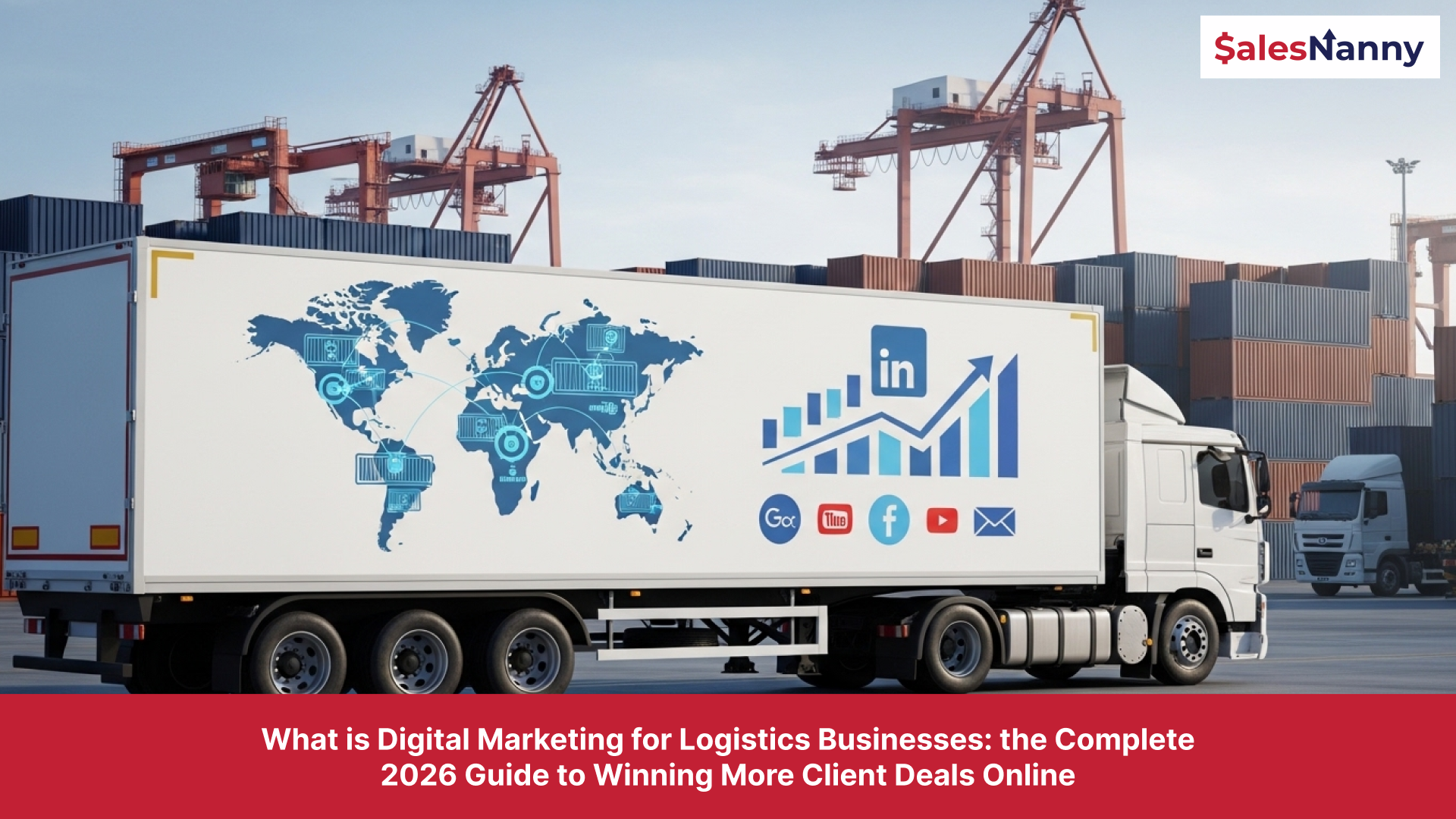
- LinkedIn networking and visibility
- Industry content and articles
- Email marketing and newsletters
- Online directories and listings
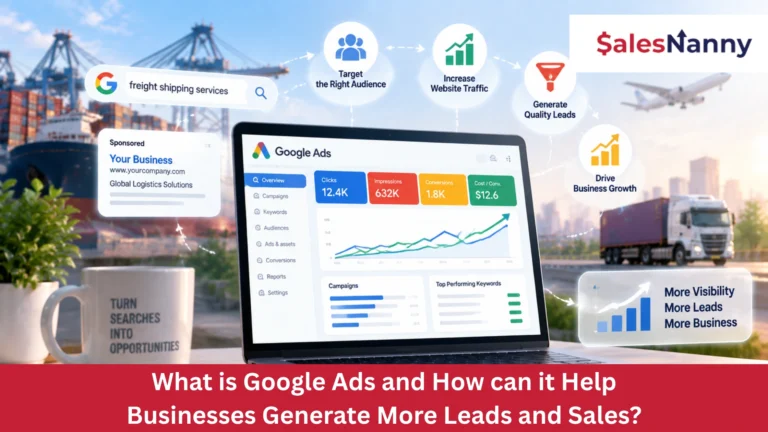
- Digital ads (Google / LinkedIn)
Earlier, referrals and sales visits were the main sources. Now online visibility is becoming one of the major sources for new enquiries. First, many companies visit your website before replying to your email or accepting your sales meeting. So your online presence now affects your sales success.
How logistics company start getting online enquiries?
Let’s look at a simple real-world type of example.
A mid-sized logistics company depended mostly on referrals and existing clients. They had a website, but it was very basic and rarely updated. They were inactive on LinkedIn and published no industry content.
They decided to slowly improve their digital presence. First, they updated their website and clearly explained their services like warehousing, transportation, and distribution. Then they added industry pages showing they handle FMCG, retail, and automotive logistics. After that, they started writing simple articles related to logistics and supply chain topics. They also started posting regularly on LinkedIn about their projects, warehouse operations, and company updates.
They did not see results immediately, but after a few months they started receiving enquiries from companies that found them through Google and LinkedIn. These were companies they had never contacted before. Some of those enquiries later turned into business discussions and projects.
This is how digital marketing usually works for logistics companies. It slowly increases visibility, then enquiries, then business opportunities.
Important digital marketing activities for logistics companies
Main digital marketing activities logistics companies should focus on:
- Professional company website
- Service pages and industry pages
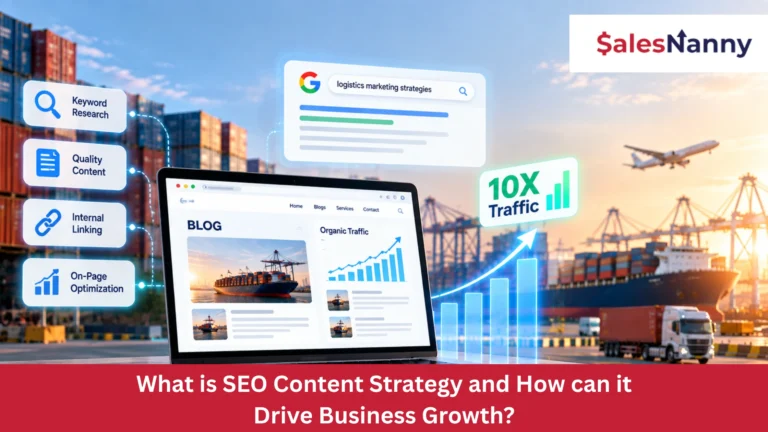
- Search Engine Optimization (SEO)
- Blog and industry content
- LinkedIn company page and posts
- Case studies and project details
- Email marketing
- Google Business profile
- Online reputation and branding
You don’t need to do everything at once, but these are the main areas that help logistics companies become visible online and attract new business enquiries.
Your website is your digital sales office
Many logistics companies think a website is just a company profile. But today, a website is more like your digital sales office. Many clients will visit your website before they talk to your sales team.
When someone opens your website, they should clearly understand what your company does, which industries you serve, what kind of projects you handle, and where you operate. If the website only lists services without explaining your experience and capabilities, clients may not feel confident contacting you.
A good logistics website should explain services clearly, show industries handled, include case studies or project examples, show locations and infrastructure, and make it easy for clients to contact you. When your website answers most of the client’s questions, your sales conversations become much easier.
Website improvement that helped sales team
Another logistics company improved their website by adding detailed service pages, industry pages, warehouse photos, fleet information, and case studies. They also added a blog where they wrote simple articles about logistics operations and supply chain topics.
After some time, when their sales team contacted new companies, many prospects said they had already visited the website and understood their services. This made the sales process faster because the client already had basic trust and understanding about the company.
So digital marketing does not just bring enquiries; it also helps your sales team close deals faster.
Content marketing for logistics companies
Main content types logistics companies can create:
- Logistics case studies
- Warehouse and distribution articles
- Transportation and freight topics
- Supply chain improvement topics
- Industry-specific logistics solutions
- Import/export logistics guides
- Project stories and operations updates
Content marketing is very useful because logistics is a trust-based business. Clients want to know your experience and knowledge before they trust you with their operations. When companies read your articles or see your case studies, they start seeing your company as an experienced logistics partner, not just another service provider.
LinkedIn for logistics business development
LinkedIn is becoming very important for logistics companies because many decision-makers are active there. Supply chain managers, procurement teams, operations managers, and business owners all use LinkedIn for networking and industry updates.
Logistics companies can share project updates, warehouse photos, logistics tips, industry news, and company achievements on LinkedIn. Over time, people start recognizing the company name. Later, when they need a logistics partner, they may remember your company and contact you.
Many business conversations today start simply because someone has been seeing a company regularly on LinkedIn.
Simple digital marketing system for logistics companies
A simple digital marketing system usually includes:
- Website
- SEO (Google visibility)
- Blog content
- LinkedIn activity
- Case studies
- Email marketing
- Enquiry tracking
- Sales follow-up
When all these work together, your company becomes visible in many places. So when a company is searching for logistics services, they may see your website, your article, your LinkedIn page, and your company name multiple times. This builds familiarity and trust.
Conclusion
The logistics industry is changing, and the way companies find logistics partners is also changing. Earlier, most business came through referrals, networking, and sales visits. Today, many business opportunities start with a Google search, a website visit, or a LinkedIn profile.
Logistics companies that are improving their online presence through websites, content, SEO, and LinkedIn are slowly building a steady source of new enquiries and business discussions. This does not happen overnight, but over time it becomes one of the most reliable ways to bring new business opportunities.
If your logistics company wants more visibility, more enquiries, and more client discussions online, working with the Best Digital Marketing for logistics business can help you build a strong online presence and support your long-term business growth. Schedule a meeting with us and we will understand your logistics requirements and help you find the right solution that fits your business.