A logistics company can publish 30 blogs, rank for industry keywords, and still go months without a qualified inquiry from the markets it actually wants to target. When digital marketing is handled only as a content activity, even good visibility can fail to turn into quote requests, booked calls, or real sales conversations.
Many logistics buyers now research providers before speaking to sales, comparing websites, service pages, content, and credibility signals before they inquire. A proactive logistics digital marketing strategy helps logistics companies connect visibility, trust, and conversion, so marketing supports consistent lead generation instead of only increasing traffic.
Why Passive Marketing does not Work for Logistics Companies?
Many logistics businesses have a website, a LinkedIn page, a few blog posts, and maybe some old campaigns. But these assets are often not connected to one clear lead generation system.
That is passive marketing.
It means your company is present online, but not actively guiding buyers toward inquiry. Your website may explain services, but it may not answer buyer questions. Your content may get impressions, but it may not create quote requests. Your social media may show activity, but it may not support sales conversations.
In logistics, buyers do not usually make quick decisions. A shipper, importer, exporter, manufacturer, or supply chain manager will often compare multiple providers before reaching out. If your digital presence does not create enough confidence during that research stage, the buyer may never contact your team.
What a Proactive Digital Marketing Strategy Means?
A proactive strategy does not mean posting more content randomly or running ads without direction.
It means building a planned system that connects visibility, trust, conversion, and follow-up.
A proactive logistics marketing system should help your business:
- Appear when buyers search for services
- Explain your capability clearly
- Build trust before the first sales call
- Guide visitors toward quote requests or discovery calls
- Track which channels generate real inquiries
- Support the sales team with better-quality conversations
This is the difference between “being online” and using digital marketing as a business development tool.
Logistics Buyers Need Trust Before they Inquire
A logistics buyer is not only looking for a service provider. They are trying to reduce risk.
If a shipment is delayed, documentation is wrong, communication is poor, or inventory movement is affected, the buyer’s business can suffer. That is why logistics buyers look for signs of reliability before they send an inquiry.
They may ask:
- Does this company understand our shipment or service requirements?
- Can they support our location, route, or trade lane?
- Do they work with businesses like ours?
- Is their website clear and professional?
- Can they respond quickly?
- Do they look credible enough to trust?
A freight forwarder may rank for a blog topic, but if the service page does not explain trade lanes, cargo expertise, response process, or proof, the buyer may leave without requesting a quote. The same applies to 3PL companies, NVOCCs, customs brokers, and transport providers. Ranking may bring the buyer to your website, but trust is what moves them toward inquiry.
A proactive digital marketing strategy should answer these questions before the buyer speaks with your sales team.
This is also why your website should not read like a company profile. It should speak directly to buyer concerns, service fit, response expectations, and operational trust. A strong website conversion flow matters because many B2B logistics websites fail to convert visitors into qualified leads when the message, CTA, and trust signals are weak.
Why Consistent Leads Need More than Traffic?
Traffic is useful, but traffic alone does not grow a logistics business.
A website can get visitors and still fail to produce sales opportunities. Some visitors may be students, vendors, job seekers, or people researching general logistics terms. Others may not match your service area, shipment type, cargo focus, or commercial expectations.
The real goal is not more traffic. The goal is better-fit inquiries.
For logistics companies, a qualified lead should come from a business with a real service need, relevant cargo or shipment requirement, decision-making potential, and a reason to start a conversation.
That is why every channel should support lead quality, not just visibility.
What Channels should Work Together?
A proactive digital marketing strategy works best when multiple channels support one clear business goal.
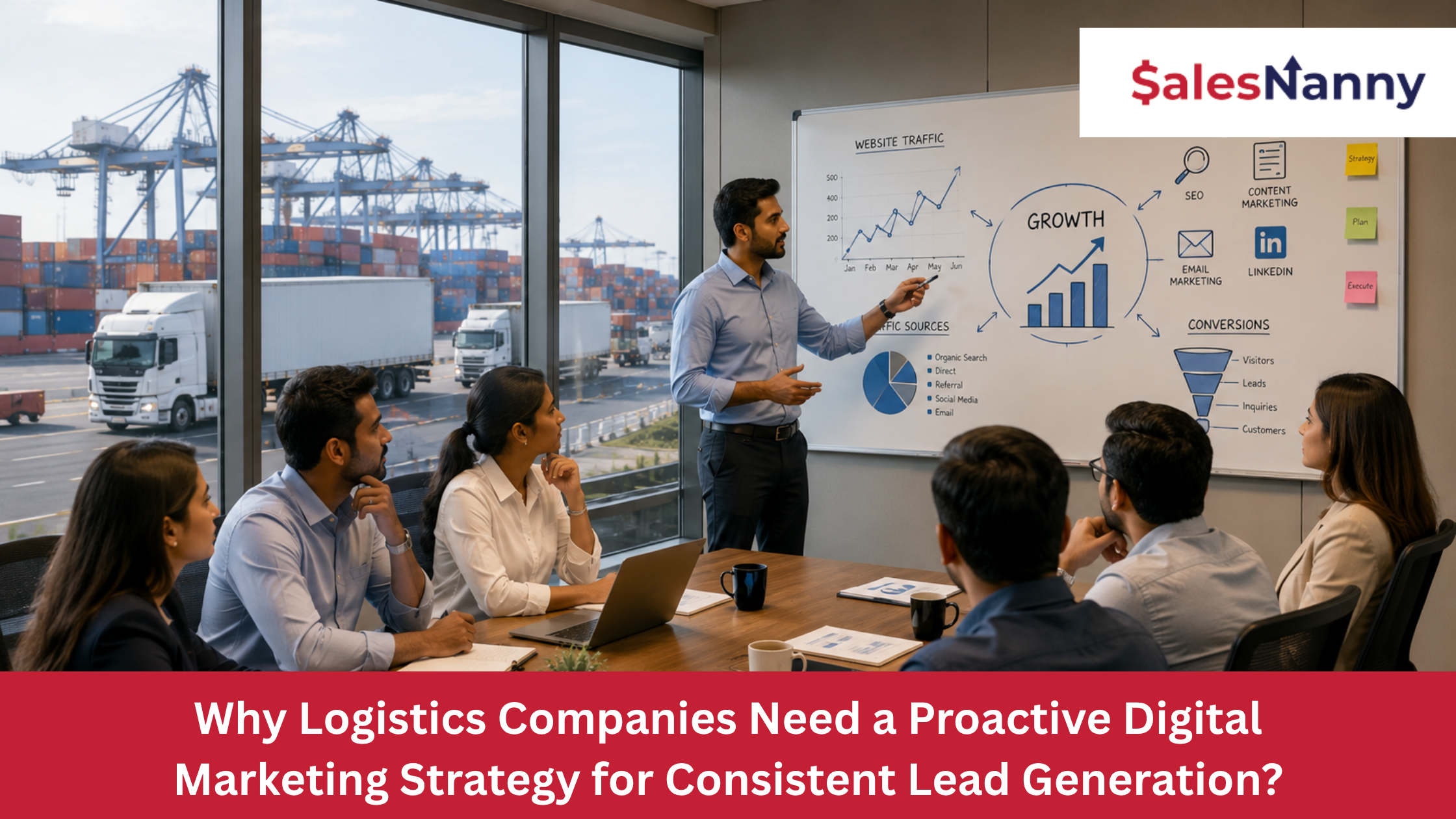
SEO helps logistics companies appear when buyers search for services, problems, and provider options. Content marketing answers buyer questions and builds authority. Website optimization turns visitors into inquiries. Paid ads can capture demand faster when landing pages are strong. LinkedIn builds credibility with business decision-makers. Email marketing and follow-up systems help nurture prospects who are not ready immediately.
These channels should not work separately. They should support one connected logistics lead generation strategy that moves buyers from research to inquiry.
For example, a buyer may first find your blog through Google, then visit your service page, check your company’s credibility, follow your LinkedIn page, and later submit a quote request. That is how modern B2B logistics buying often works.
Why does Reactive Marketing Create Pipeline Gaps?
Many logistics companies start marketing only when inquiries slow down. They publish content when traffic drops. They run ads when sales become quiet. They update the website only when competitors start looking stronger.
That reactive approach creates gaps.
Digital marketing needs time to build visibility, trust, and authority. SEO takes time. Content needs consistency. Website conversion needs testing. Paid campaigns need optimization. Lead tracking needs review.
If marketing only starts when the pipeline is already weak, the business is always catching up.
A proactive strategy helps prevent this problem by keeping your brand active, visible, and positioned before buyers are ready to inquire.
How does Digital Marketing for Logistics Companies Support Sales Growth?
Effective digital marketing for logistics companies should connect directly with sales outcomes.
It should not only increase impressions, clicks, or followers. It should help logistics businesses attract the right buyers, build confidence, and create more qualified conversations.
That means your marketing should support:
- Freight and logistics service visibility
- Better website messaging
- Buyer-focused content
- Service page clarity
- Quote request and book-a-call actions
- Lead source tracking
- Sales team follow-up
This is especially important for logistics companies targeting global buyers. In competitive markets, buyers compare providers carefully and expect a professional digital presence before they start a conversation.
A strong strategy should make your logistics company easier to find, easier to understand, and easier to trust.
How SalesNanny Helps Logistics Companies Build a Proactive Lead System?
Generating consistent inquiries becomes harder when logistics companies depend only on referrals, repeat customers, or occasional marketing activity.
SalesNanny helps solve this by building a proactive digital marketing system around visibility, buyer confidence, and inquiry conversion. Instead of treating SEO, content, website messaging, and lead generation as separate activities, we connect them around how logistics buyers search, compare, and choose providers.
This helps your business attract better-fit buyers, communicate service value clearly, and guide interested visitors toward quote requests, discovery calls, or qualified inquiries.
The result is a stronger digital presence that supports consistent lead generation, better buyer trust, and more meaningful sales conversations.
Conclusion
Lead generation is more than getting traffic to a logistics website. It is about helping the right buyers find your business, understand your value, and feel confident enough to start a conversation.
A proactive digital marketing strategy helps logistics companies move beyond referrals by connecting visibility, buyer trust, website conversion, and inquiry follow-up into one clear system.
Ready to build a more consistent lead generation system for your logistics business? Book a free call with SalesNanny and discover how digital marketing for logistics companies can help turn online visibility into real business inquiries.