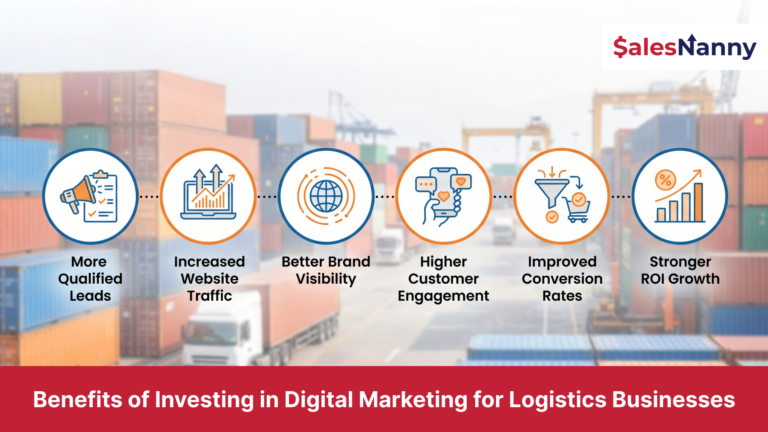
Digital marketing is a powerful tool for logistics companies. With the right combination of strategies, businesses can stay ahead of the competition and increase visibility in their industry. By leveraging search engine optimization (SEO), content marketing, social media marketing, email marketing, and paid advertising, logistics companies can drive traffic to their website or blog and generate qualified business inquiries. Digital advertising campaigns also allow logistics businesses to reach the right audience through search engines, social media platforms, and other online channels where potential customers are already searching for logistics solutions.
In today’s logistics industry, many customers search online before choosing a freight forwarder, customs clearance company, or warehousing partner. They compare websites, check company credibility, and contact businesses that appear more visible online. As competition continues to grow, digital marketing for logistics companies is becoming essential for improving visibility, generating inquiries, and building long-term business growth.
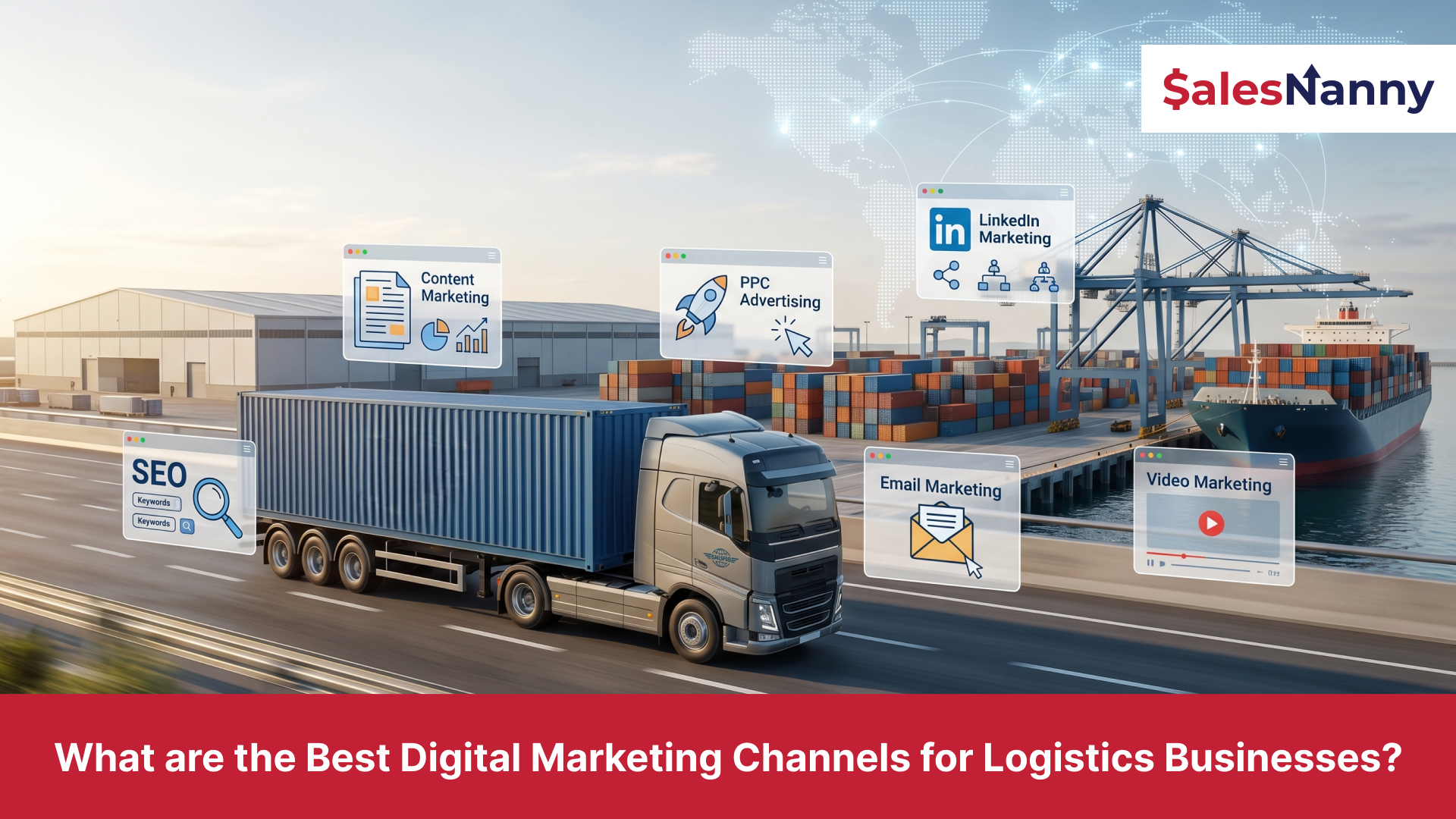
The following are the most effective digital marketing channels for logistics businesses, along with honest guidance on which ones best fit your stage of growth.
Search Engine Optimization (SEO)
SEO is the foundation of digital visibility for any logistics business. When a buyer searches “freight forwarder US” or “customs clearance Europe” on Google, SEO determines whether your business appears on page one or whether your competitor does. Research shows that 68% of all online experiences begin with a search engine, and most buyers never scroll past the first page of results.
For logistics companies with decades of experience, this is the biggest missed opportunity. Your expertise is real, but it is invisible online if your website is not optimized. A well-structured SEO strategy includes optimizing service pages for terms like freight forwarding, warehousing, and customs clearance; publishing logistics-focused blogs, FAQs, and case studies that rank for the questions your buyers are already searching; and local SEO that ensures you appear for city- or region-specific queries.
The most important thing to understand about SEO is that results compound over time. Unlike paid advertising, traffic does not stop when a budget runs out. It is the single highest-return, long-term digital investment a logistics business can make.
Content Marketing
Logistics buyers do not make fast decisions. Before choosing a freight partner, they spend time researching, comparing, and looking for businesses that demonstrate genuine expertise. Content marketing is how you build that trust before a single conversation takes place.
Studies show that content marketing generates three times more leads than outbound strategies at 62% lower cost. For logistics businesses, this means publishing blog articles on import and export regulations, shipping guides that answer common buyer questions, industry updates that position you as current and knowledgeable, and case studies that show real results for real clients.
A case study is the single most persuasive content format available to a logistics company. Nothing closes a deal faster than proof. A buyer reading about how you solved a real problem for a client similar to them is far more convinced than any service brochure could ever achieve. Content marketing also directly supports your SEO performance, helping your website rank for a wider range of relevant search terms over time.
LinkedIn Marketing
For B2B logistics businesses, LinkedIn is the most valuable social media platform available. Research indicates that 80% of B2B leads from social media come from LinkedIn. The platform is where importers, exporters, supply chain managers, and procurement decision-makers actively connect with service providers, look for expertise, and make assessments about who is worth working with.
A consistent LinkedIn presence combining a strong company page with personal thought leadership content builds brand authority faster than any other social platform. Regular posts sharing freight market insights, industry updates, operational highlights, and service announcements keep your business visible to the people who matter most. For logistics business owners specifically, sharing personal expertise on LinkedIn positions you as a trusted industry voice, not just a vendor.
Pay-Per-Click (PPC) Advertising
While SEO delivers long-term growth, PPC advertising delivers immediate results. Google Ads and LinkedIn Ads allow a logistics business to appear at the top of search results and in front of targeted audiences within days of launching a campaign. Research shows that PPC visitors convert at twice the rate of organic traffic because they are actively searching with buying intent at the moment they click.
PPC is most effective when a logistics business is entering a new market, launching a new service, or needs to generate lead flow quickly while SEO is still building. The key is pairing ads with a well-designed landing page that speaks directly to the buyer’s need, not just sending clicks to a generic homepage. With proper setup and optimization, PPC campaigns can deliver a strong return on investment for logistics companies of all sizes.
Email Marketing
In logistics, the sales cycle is rarely short. A potential client may compare multiple providers over weeks or months before making a decision. Email marketing ensures your business stays visible and valuable throughout that entire process. Studies consistently show email delivers the highest ROI of any digital marketing channel, approximately 36 times the return for every rupee invested.
For logistics businesses, email marketing works best as a combination of monthly newsletters sharing freight updates and logistics tips, automated follow-up sequences for leads who have not yet converted, and re-engagement campaigns for past clients who have gone quiet. It is also a powerful tool for staying connected with existing clients, which reduces churn and increases the likelihood of referrals. Consistency is the key, businesses that email regularly stay top of mind when a buyer is finally ready to move.
Video Marketing
A 90-second warehouse walkthrough does more to build buyer confidence than three pages of written content. Video is the fastest trust-building format available to a logistics business, because it shows rather than tells. Buyers can see your actual facility, your team, your equipment, and your operation, removing the uncertainty that often delays a decision.
Research shows that 85% of businesses say video has helped them generate more leads, and LinkedIn videos receive five times more engagement than text posts. Logistics businesses can begin with simple, high-impact formats: facility and warehouse walkthroughs, freight handling process videos, short client testimonials, and brief explainer videos answering common shipping questions. Published consistently on LinkedIn, YouTube, and Instagram Reels, video content significantly improves brand visibility and buyer trust.
Which Channels are Right for Your Stage?
Not every logistics business should invest equally in every channel. The most effective approach depends on where your business is today. If you want a deeper understanding of how to plan this as a complete roadmap, our guide on digital marketing strategy for logistics businesses covers how to sequence these channels for maximum impact.
If you are just starting out, the priority is being discoverable locally. Google My Business, basic SEO, and a clean LinkedIn profile are the essential starting points. These cost relatively little and create a credible online foundation.
If your business is growing with 5 to 50 staff, the focus shifts to generating consistent inquiries. A combination of SEO, content marketing, PPC advertising, and email marketing works well at this stage to build a reliable pipeline of qualified leads.
If you are an established business with 50 or more staff, the full channel mix becomes relevant. Video, thought leadership content, LinkedIn marketing, and a comprehensive SEO strategy combine to build genuine market authority, the kind that makes your business the obvious first choice in your category.
Addressing the Concerns Most Logistics Owners Have
The most common reason logistics businesses delay digital marketing is time. Operations come first, and marketing feels like a distraction. The honest answer is that you do not need to run it yourself. Most logistics businesses that work with a specialist agency have zero in-house marketing staff. A single onboarding session is usually enough to get started, and the work runs in the background while you focus on operations.
The second concern is referrals. Many logistics owners feel that because their business grows through word-of-mouth, online marketing is unnecessary. Referrals are valuable, but they are unpredictable. Digital marketing creates a second, consistent pipeline that you can rely on regardless of how many referrals come in. It also validates referrals: when a referred client Googles your name before calling, a strong online presence confirms the recommendation and closes the deal faster.
The third concern is cost. The honest way to think about this is return on investment. A single new client won from an online inquiry can cover months of marketing investment. The more relevant question is not whether you can afford digital marketing, it is whether you can afford to keep watching competitors with less experience win the inquiries you should be receiving.
Conclusion
The logistics industry is more digitally competitive than ever. Businesses that invest in building their online presence today will stay ahead, while those that wait may continue losing inquiries to competitors online. With the right combination of SEO, content marketing, LinkedIn, PPC, email, and video marketing, logistics businesses can improve visibility, generate qualified inquiries, and build long-term growth. Working with a digital marketing company that understands the logistics industry helps position your services in front of the right audience and create real business results. Schedule a free call to discuss your current digital presence and growth opportunities.