Finding new logistics customers is no longer limited to referrals, networking events, or direct sales calls. Most businesses now search online when looking for warehousing, freight forwarding, fulfillment, or transportation support. They compare logistics providers, review websites, read service pages, and contact the companies that appear most reliable and professional online. This shift has made digital visibility and digital marketing for logistics companies major growth drivers for 3PL companies competing in the logistics industry.
A strong online presence helps logistics businesses build trust before the first conversation even begins. Companies that appear in Google search results with useful content, optimized service pages, and a professional website are more likely to attract qualified shipping leads. This is where SEO becomes essential. SEO helps 3PL companies improve search visibility, strengthen credibility, and generate long-term organic traffic from businesses actively searching for logistics solutions.
Why does SEO Matter for 3PL Companies?
The logistics industry has become highly competitive, especially in sectors like eCommerce fulfillment, freight forwarding, warehousing, and last-mile delivery. Many businesses offer similar services, which makes online visibility even more important.
When potential customers search for logistics support, they often use Google to compare providers. If your website does not appear in relevant search results, your competitors will likely receive those inquiries instead. SEO helps 3PL companies improve their chances of being discovered by businesses searching for shipping and fulfillment solutions.
Unlike paid advertising, SEO provides long-term value. A properly optimized website can continue generating traffic and leads even months after content is published. For logistics businesses looking to build sustainable growth, SEO becomes a strong long-term investment.
Build a Professional and User-Friendly Website
A logistics website should do more than simply look professional. It should clearly explain your services, showcase your operational strengths, and help potential customers quickly understand how your company can support their supply chain requirements.
Many logistics websites still contain outdated layouts, unclear navigation, or very limited service information. When users cannot find the information they need quickly, they usually leave the website and continue searching elsewhere.
A strong 3PL website should clearly present:
- Logistics and warehousing services
- Transportation capabilities
- Fulfillment solutions
- Warehouse locations
- Industries served
- Contact information
Website speed also plays a major role in SEO performance. Slow-loading websites negatively affect both user experience and search rankings. Google prioritizes websites that provide smooth browsing experiences across desktop and mobile devices.
Use SEO Keywords Naturally Across Your Content
Keywords help search engines understand the purpose of your website pages. For 3PL companies, choosing the right keywords is important because customers search for many different logistics services online.
The primary keyword for this topic is SEO, while the secondary keyword is 3PL companies. These keywords should appear naturally throughout the website, including headlines, service pages, blog content, and meta descriptions.
Additional logistics-related keywords may include:
- Warehouse fulfillment services
- Freight forwarding company
- Transportation management
- Shipping and distribution services
- Supply chain logistics
- eCommerce fulfillment provider
The focus should always remain on natural readability. Modern SEO is no longer about stuffing pages with repetitive keywords. Google now rewards content that sounds helpful, relevant, and easy to understand.
Create Helpful Logistics Content Consistently
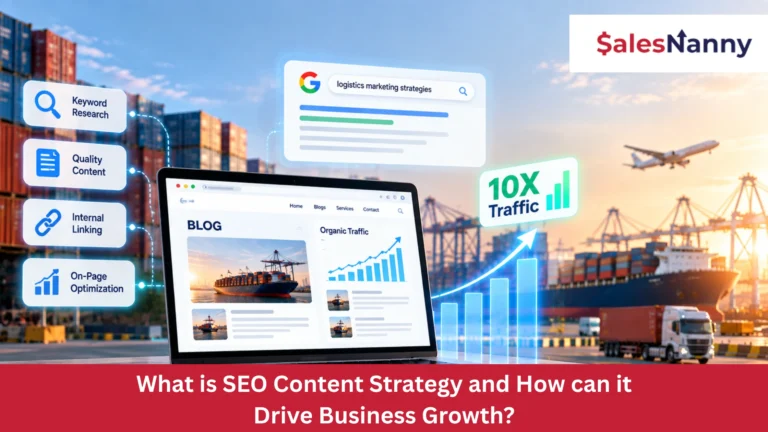
Content marketing plays a major role in improving SEO performance for logistics businesses. Many 3PL companies only publish basic service pages and never update their websites again. This limits search visibility and reduces opportunities to attract organic traffic.
Publishing educational logistics content helps businesses target additional search terms while also building authority in the industry.
Useful blog topics may include:
- How businesses can reduce shipping costs
- Common warehouse management challenges
- Benefits of outsourcing logistics operations
- Freight forwarding process explained
- Inventory management best practices
- Last-mile delivery strategies
When businesses search for these topics online, optimized blog content can help your company appear in search results. Helpful content also improves trust because visitors see your business as knowledgeable and experienced within the logistics industry.
Regular content updates also signal to Google that your website remains active and relevant.
Improve Local SEO Visibility
Many 3PL companies serve specific warehouse regions, transportation hubs, or local shipping markets. Local SEO helps logistics businesses appear in searches connected to those areas.
For example, businesses may search using phrases such as:
- “3PL warehouse in Texas”
- “Fulfillment center in California”
- “Freight forwarding company near Chicago”
Local SEO optimization helps your business appear in those regional searches.
Important local SEO improvements include creating a Google Business Profile, adding accurate business information, collecting customer reviews, and using location-based keywords across your website pages.
Positive reviews also improve trust and influence decision-making. Many businesses compare reviews before contacting logistics providers, especially when searching for long-term warehousing or fulfillment partners.
Build Authority through Backlinks
Backlinks are links from external websites pointing to your website. Search engines view backlinks as trust signals because they indicate that other websites consider your content valuable or relevant.
For logistics businesses, backlinks from supply chain websites, logistics blogs, or transportation directories can improve SEO authority and help increase rankings.
Effective backlink strategies may include:
- Writing guest articles for logistics publications
- Publishing industry case studies
- Sharing warehouse insights and reports
- Joining logistics directories
- Collaborating with supply chain partners
Quality matters more than quantity when building backlinks. A few trusted logistics backlinks often provide stronger SEO value than many low-quality links.
Focus on Technical SEO Performance
Technical SEO helps search engines properly crawl and understand your website content. Even high-quality content may struggle to rank if technical problems exist behind the website.
Important technical SEO areas include website speed optimization, mobile responsiveness, secure HTTPS setup, image optimization, internal linking, and proper heading structure.
For 3PL companies with multiple services or warehouse locations, organized website navigation becomes especially important. Visitors should easily find relevant service information without confusion.
Technical SEO creates the foundation needed for long-term search visibility and better user experience.
Use Clear Calls-to-Action
SEO helps attract visitors, but conversion-focused content helps turn visitors into leads. Every important website page should guide users toward the next step.
Strong call to action may include:
- Request a freight quote
- Schedule a logistics consultation
- Speak with our fulfillment team
- Contact our warehouse specialists
- Get shipping support today
Clear calls-to-action improve lead generation and help businesses connect with your team faster.
Many logistics websites lose potential inquiries simply because visitors are unsure about what to do next after reading the content.
Conclusion
SEO has become one of the most effective ways for 3PL companies to build stronger online visibility and attract long-term shipping leads. As more businesses search online for warehousing, freight forwarding, fulfillment, and transportation solutions, search rankings now directly impact logistics business growth.
From website optimization and keyword strategy to local SEO and content marketing, every SEO effort helps strengthen credibility and improve online reach. Companies that consistently invest in SEO are more likely to attract qualified traffic, generate inbound logistics inquiries, and stay competitive in the digital marketplace.
If your 3PL company wants to improve online visibility, generate more qualified shipping leads, and strengthen digital growth, now is the right time to invest in a smarter SEO strategy. Schedule a free consultation call today and discover how SEO can help your logistics business grow online.