The logistics industry has changed significantly over the last few years, especially in the way B2B buyers search for service providers. Earlier, most freight forwarders and logistics companies depended heavily on referrals, networking, and long-term business relationships to generate clients. Today, decision-makers first research online before contacting a logistics company. They compare websites, evaluate credibility, and analyze digital presence before even sending an RFQ. Modern B2B buyers now expect logistics companies to have a strong and professional online presence, making digital marketing for logistics more important than ever before.
This shift has created a strong connection between marketing and logistics. Many logistics companies provide excellent operational services, but their websites fail to create trust or generate qualified inquiries. Instead of functioning as lead generation systems, most websites simply act as digital brochures with basic company information. As competition increases across the logistics industry, businesses with weak digital visibility are losing opportunities to competitors with stronger online branding, better website experiences, and smarter digital marketing for logistics strategies.
The Real Problem with Most Logistics Websites
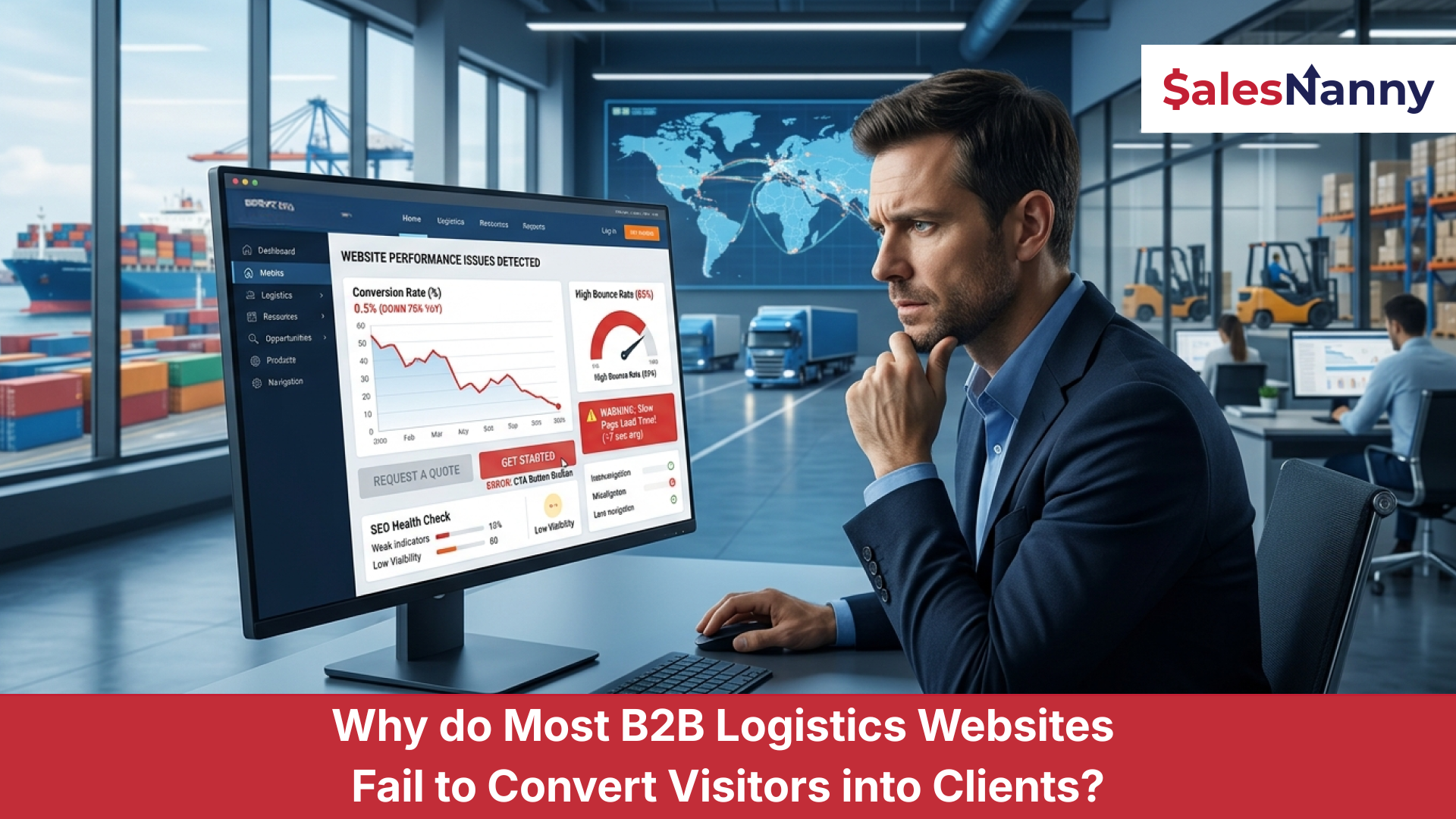
Most B2B logistics websites are designed around the company instead of the customer. They focus heavily on company history, years of experience, and generic service descriptions without addressing what potential clients actually want to know. Modern buyers are looking for trust, industry expertise, fast communication, and operational reliability. When a website fails to answer these expectations clearly, visitors leave without taking action. In many cases, the website creates confusion instead of confidence, which directly impacts lead generation and business growth.
Some of the most common problems seen in logistics websites include:
- Generic messaging with no clear value proposition
- Outdated website design and poor mobile experience
- No clear lead generation strategy
- Weak SEO visibility on Google
- Lack of trust-building content and case studies
- Slow loading speed and confusing navigation
- No LinkedIn or digital brand integration
- Poor call-to-action placement
- No industry-focused landing pages
- Limited educational content for B2B buyers
Poor Website Messaging Creates Low Trust
One of the biggest problems in marketing and logistics is weak website messaging. Many logistics companies use the same generic lines such as “trusted logistics partner” or “end-to-end supply chain solutions.” While these statements sound professional, they fail to explain why a customer should actually choose that company over competitors. Modern B2B buyers want specific answers related to industries, shipping expertise, operational capabilities, and problem-solving experience. Generic messaging reduces trust because every logistics website starts to look identical. Buyers need clarity before they engage with a company.
Strong website messaging should focus more on customer pain points instead of company descriptions. A logistics website must clearly communicate how the business helps clients solve freight challenges, improve shipment efficiency, reduce delays, or simplify supply chain operations. The messaging should immediately explain the company’s specialization and expertise within the logistics industry. Clear positioning helps visitors quickly understand the value of the business, which improves engagement and conversion rates significantly.
Most Logistics Websites Lack Lead Generation Structure
Many logistics companies invest in websites only for online presence, not for lead conversion. As a result, visitors may browse the website but never take action because there is no proper conversion structure. In B2B logistics, websites should guide visitors toward inquiry forms, consultation requests, RFQs, or direct conversations. Without strong conversion pathways, even high website traffic will fail to produce qualified leads. A website without a lead generation strategy becomes an inactive digital asset instead of a business development tool.
Several important conversion elements are missing from many logistics websites today:
- Clear CTA buttons
- RFQ forms on service pages
- Industry-focused landing pages
- Lead capture forms
- Consultation booking options
- Conversion-focused homepage structure
- Customer inquiry tracking systems
Weak SEO Visibility Limits Business Growth
Another major pain point in marketing and logistics is poor search engine visibility. Many logistics companies have professional websites, but their websites do not rank for important industry keywords. This means potential clients searching online never discover their business. Instead, competitors with better SEO strategies dominate search results and capture inbound inquiries consistently. Without organic visibility, logistics companies become overly dependent on referrals and manual sales outreach.
SEO helps logistics businesses attract highly relevant B2B traffic from decision-makers already searching for logistics solutions. When optimized properly, logistics websites can generate long-term inbound inquiries without relying only on cold calling or networking events. SEO also strengthens digital credibility because buyers often trust companies that appear prominently on search engines. Businesses that ignore SEO today risk becoming invisible in an increasingly digital B2B market.
Lack of Content Reduces Authority
Most logistics websites only explain services instead of educating buyers. However, modern B2B buyers spend time researching before contacting vendors or freight forwarders. They want industry insights, shipping updates, freight trends, and operational expertise before making decisions. Websites without educational content fail to build authority or long-term trust. This creates a major gap between the company and potential buyers during the early research stage.
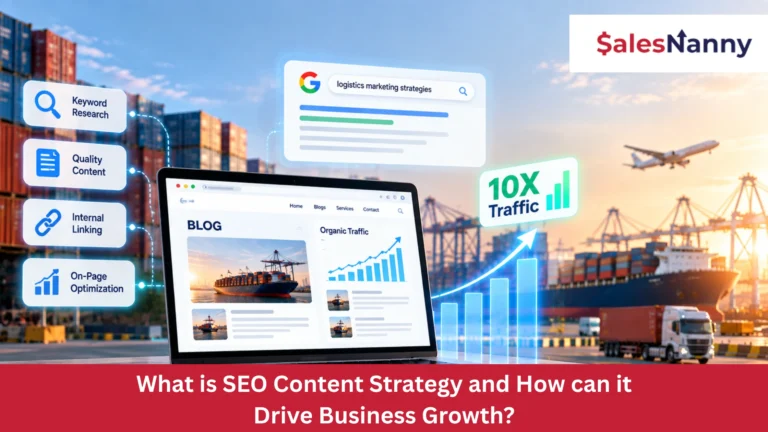
Content marketing helps logistics companies and freight forwarders position themselves as industry experts instead of simple service providers. Blogs, case studies, supply chain insights, and freight market updates increase credibility and improve buyer confidence. Educational content also improves SEO performance by helping websites rank for informational searches. Companies that consistently publish valuable industry content build stronger digital authority and stay visible throughout the buyer journey.
Outdated Website Experience Hurts Credibility
In B2B logistics, trust plays a critical role in decision-making. Buyers often judge operational quality based on digital experience. A slow, outdated, or poorly designed website immediately reduces confidence in the company. Even if the logistics operations are excellent internally, a weak digital experience creates a negative first impression. Buyers expect modern websites that are fast, responsive, and professionally structured.
A poor website experience often includes:
- Slow loading pages
- Poor mobile responsiveness
- Broken layouts
- Difficult navigation
- Old website design
- Complicated inquiry process
Modern website optimization improves user experience, engagement, and conversion rates. Businesses that invest in professional website development create stronger digital credibility and improve client trust significantly.
How does Digital Marketing Solves these Problems?
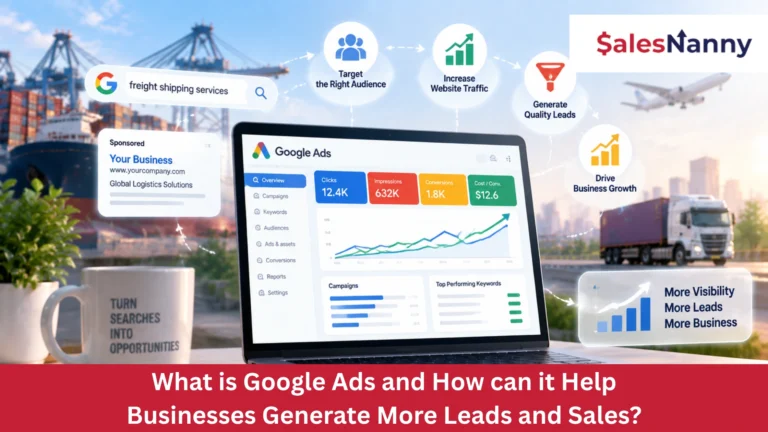
Digital marketing helps logistics companies transform their websites into lead-generation platforms instead of static company profiles. Through SEO, website optimization, content marketing, LinkedIn visibility, and marketing automation, logistics businesses can create a consistent inbound lead generation system. The goal is not simply to increase traffic but to attract qualified B2B decision-makers and convert them into long-term clients.
Modern digital marketing strategies help logistics businesses:
- Improve search engine visibility
- Generate inbound B2B leads
- Build industry authority
- Increase website conversion rates
- Improve LinkedIn credibility
- Strengthen online brand positioning
- Automate lead follow-ups
- Build long-term customer trust
Conclusion
The relationship between marketing and logistics is becoming more important every year. Modern B2B buyers now evaluate logistics companies digitally before initiating business conversations. This means websites are no longer just online company profiles, they are digital sales platforms that directly influence trust, credibility, and lead generation. Companies that continue using outdated websites and weak digital strategies will struggle to compete in the modern logistics market. Logistics companies that invest in SEO, website optimization, content marketing, and digital branding will build stronger visibility and create more consistent business growth. In 2026, strong operations alone are no longer enough. Businesses that combine logistics expertise with smart digital marketing strategies will attract more high-value B2B clients and stay ahead of the competition. Schedule a free call today to discover how the right marketing strategy can help your logistics business grow.