If you’re running a logistics or supply chain business, you already understand freight movements, customs procedures, routing, documentation, compliance, and customer expectations. That knowledge comes from years of real-world experience.
What usually doesn’t come as naturally is digital marketing, especially when it’s wrapped in terms or insights that feel disconnected from day-to-day logistics operations.
Many logistics professionals assume digital marketing is limited to social media posts or online ads. Others sense it’s important but aren’t fully clear on how it actually helps attract serious clients, win long-term contracts, or bring in qualified inquiries.
That uncertainty is common and completely understandable. Logistics digital marketing isn’t about trends or noise. It’s about translating logistics expertise into online visibility, credibility, and consistent business opportunities, based on how buyers actually search and decide today.
Knowing Logistics Digital Marketing (In Simple Terms)
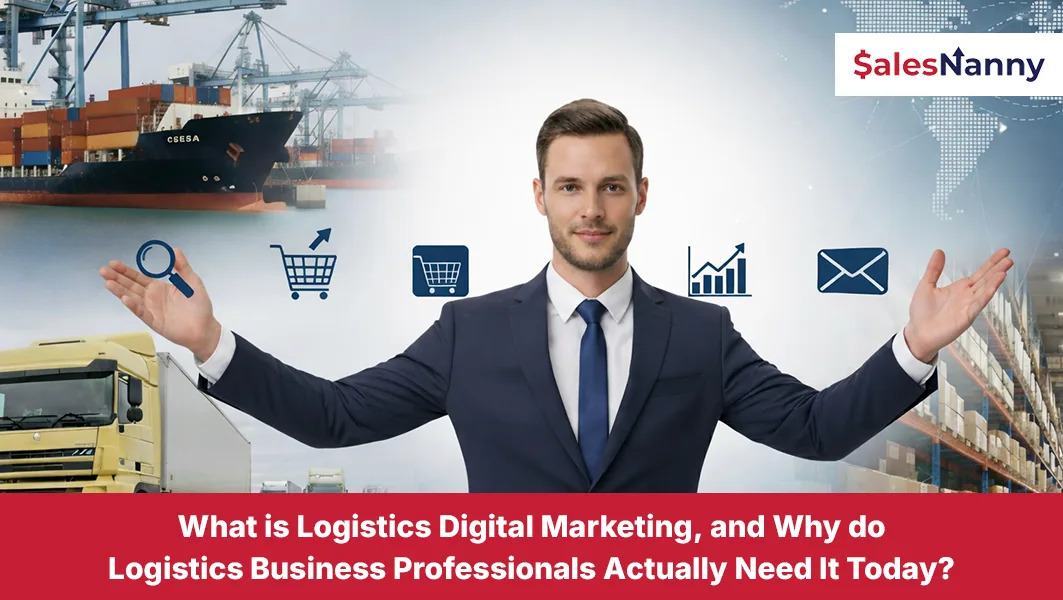
Logistics digital marketing is the process of positioning your logistics expertise online so the right people can find you, understand your value, trust your capability, and contact you when they need solutions.
This isn’t generic marketing. It’s purpose-built for logistics-driven businesses such as freight forwarders, 3PL and warehousing companies, customs brokers, transport operators, and supply chain service providers.
At its core, logistics digital marketing combines industry-focused content, search visibility for logistics-related problems, professional brand positioning, and lead generation strategies that respect long and complex sales cycles.
The goal isn’t popularity. The goal is qualified attention from people who already need logistics support.
Why Logistics Professionals Can’t Rely Only on Referrals Anymore?
Referrals still matter, they always will. But they’re no longer enough on their own.
Today’s logistics buyers don’t immediately pick up the phone. They research first. They compare service providers online. They look for proof of experience, clarity in services, and confidence in execution.
Even when a prospect is referred to you, there’s a strong chance they’ll check your website, review your content, and scan your online presence before reaching out. If what they see feels outdated, unclear, or generic, trust drops instantly.
Digital marketing fills that credibility gap before the first conversation happens.
How Logistics Buyers Actually Search for Solutions Online?
Logistics buyers don’t search for marketing slogans. They search for answers to operational problems.
They type queries like:
- “Reliable freight forwarder for trade lanes”
- “Customs clearance support”
- “Warehousing partner for distribution”
- “Logistics company with experience”
When your brand shows up with useful, logistics-specific content that speaks directly to these needs, you’re no longer just another option. You become a solution they can trust.
The Changing Behavior of Logistics Buyers
Procurement teams, operations heads, and business owners now expect to evaluate suppliers digitally before engaging.
They want to see:
- Clear service explanations
- Evidence of specialization
- Professional presentation
- Industry understanding
If your digital presence doesn’t clearly communicate who you serve and how you solve logistics problems, buyers may never reach the stage where your real-world experience is even considered.
What Real Benefits Digital Marketing Brings to Logistics Businesses?
When done correctly, logistics digital marketing delivers measurable business outcomes, not just visibility.
It helps logistics companies attract clients who are already searching for solutions, shorten sales cycles by building trust early, stand out in competitive markets, educate prospects before sales conversations begin, and create a long-term inbound flow of qualified leads.
Instead of chasing opportunities, your brand becomes discoverable when demand already exists.
Digital Marketing as a Trust-Building Tool in Logistics
Trust is the backbone of logistics. Digital marketing supports trust by explaining how your services work, showing your understanding of industry challenges, highlighting experience and focus areas, and answering common buyer concerns upfront.
When prospects feel informed before reaching out, conversations start at a higher level. Sales discussions become more strategic, more confident, and more productive.
Why Generic Marketing Fails in the Logistics Industry?
Logistics isn’t simple, and marketing can’t be either.
Generic marketing fails because it relies on broad language, ignores compliance and operational complexity, attracts unqualified leads, and misses the real decision-makers.
Effective logistics digital marketing must speak the language of operations, procurement, supply chain planning, and risk management. Without that depth, marketing may generate activity, but it won’t generate results.
Visibility in New Markets and Trade Lanes
Expanding into new regions or industries is difficult without digital visibility. Logistics digital marketing allows companies to reach new markets without physical presence, attract international inquiries, position niche expertise globally, and support sales teams with inbound interest.
Your operational reach should always be supported by an equally strong digital reach.
Supporting Sales Teams With Better Leads
Marketing isn’t meant to replace sales. It’s meant to support it.
Strong logistics, digital marketing educates leads before contact, filters out low-quality inquiries, improves conversion rates, and saves valuable time for sales teams. As a result, sales conversations move beyond introductions and into real problem-solving much faster.
Why Logistics Brands Need Industry-Focused Marketing Partners?
Many general marketing agencies don’t fully understand logistics. That often leads to wasted budgets and weak outcomes.
Logistics brands need marketing partners who understand long sales cycles, complex services, B2B decision-making, and compliance-driven messaging. Specialized logistics digital marketing bridges that gap by aligning strategy with how logistics businesses actually operate.
How Sales Nanny Approaches Logistics Digital Marketing?
Sales Nanny believes logistics marketing is about precision, not volume.
That means building messaging around real logistics pain points, creating content that educates instead of overselling, aligning SEO with genuine buyer intent, focusing lead generation on quality conversations, and positioning brands in a way that reflects true operational expertise.
Every move mirrors how logistics works in the real world, structured, reliable, and goal-driven.
Conclusion
Logistics professionals already do the hard work, moving goods, managing risk, and keeping supply chains running smoothly. Digital marketing simply ensures that expertise doesn’t stay hidden.
When logistics digital marketing is done right, it becomes a quiet but powerful growth engine, bringing the right people, at the right time, for the right reasons.
If you want your logistics expertise to translate into real online visibility and qualified leads, partner with Sales Nanny, the best logistics digital marketing agency.